· Cleaning Services · 3 min read
Sewage Backups, Contaminated Water, and Why Clean Drains Matter in Winter
Winter is one of the most common times for homeowners to experience plumbing emergencies, sewage backups, and contaminated water issues. Cold temperatures, frozen pipes, heavy water use, and aging sewer lines all put added stress on plumbing systems throughout communities like Plymouth, Maple Grove, Minnetonka, Edina, Golden Valley, Waconia, Victoria, and beyond.
When something goes wrong, the result can be more than just water damage. Sewage backups and contaminated water create serious health risks and often require professional biohazard cleanup.
Understanding how these issues are connected, and how preventative steps like drain cleaning help, can reduce the risk of a major emergency.
How Sewage Backups Happen During Winter
Sewage backups occur when wastewater cannot properly flow through the plumbing or sewer system.
When household drains become clogged with grease, debris, soap buildup, or foreign objects, wastewater has nowhere to go. During winter months, this problem gets worse due to:
- Frozen or partially frozen pipes that restrict water flow
- Increased indoor water use from cooking, laundry, and guests
- Snowmelt and groundwater placing additional pressure on sewer lines
- Older or weakened pipes struggling under winter conditions
- Floor drains becoming blocked or slow over time
When these factors combine, wastewater can back up into sinks, tubs, toilets, or basement floor drains, often with little warning.
Why Sewage Backup Water Is Considered Contaminated
Any water involved in a sewage backup is classified as contaminated water. This means it can pose serious health risks if not handled properly.
Contaminated water may contain:
- Bacteria and pathogens
- Viruses
- Waste materials
- Harmful microorganisms
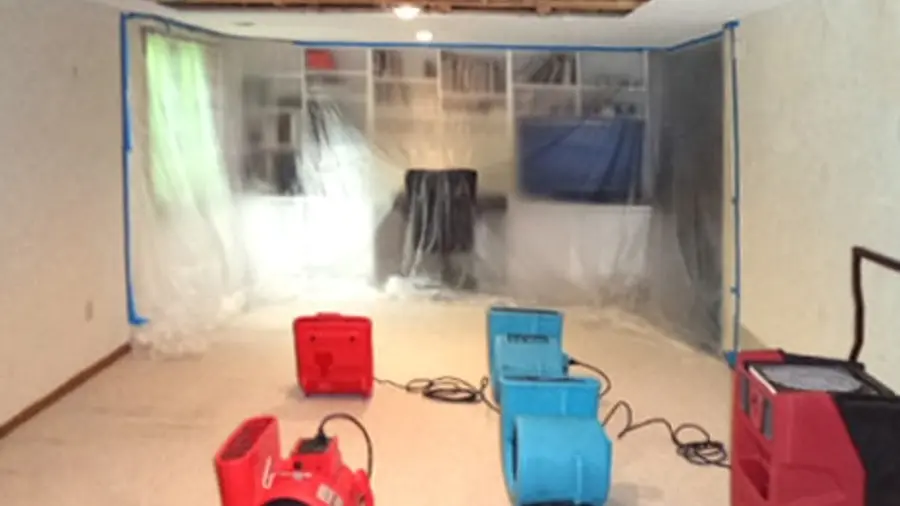
Because of these risks, sewage backups typically require professional biohazard cleanup, not just basic water removal. Affected surfaces, porous materials, and structural components may need specialized cleaning, disinfection, or removal to make the space safe again.
A short video that demonstrates proper drain cleaning and maintenance.
How Drain Cleaning and Maintenance Helps Prevent Sewage Backups
One of the most effective preventative steps homeowners can take is regular drain maintenance. Over time, drains naturally collect grease, soap residue, food particles, hair, and debris. In winter, these partial blockages become more dangerous due to freezing temperatures and increased system strain.
Professional drain cleaning helps by:
- Removing buildup before it causes a blockage
- Allowing wastewater to flow properly through pipes
- Reducing pressure on sewer lines during heavy use
- Lowering the risk of basement sewage backups
While drain cleaning cannot prevent every sewer issue, it plays a key role in reducing the likelihood of sewage backups and contaminated water emergencies.
When a Sewage Backup Becomes an Emergency
If you notice any of the following, it is important to act quickly:
- Sewage backing up into floor drains or plumbing fixtures
- Strong sewer odors inside the home
- Standing water in basements that appears dirty or smells unpleasant
- Multiple drains backing up at the same time
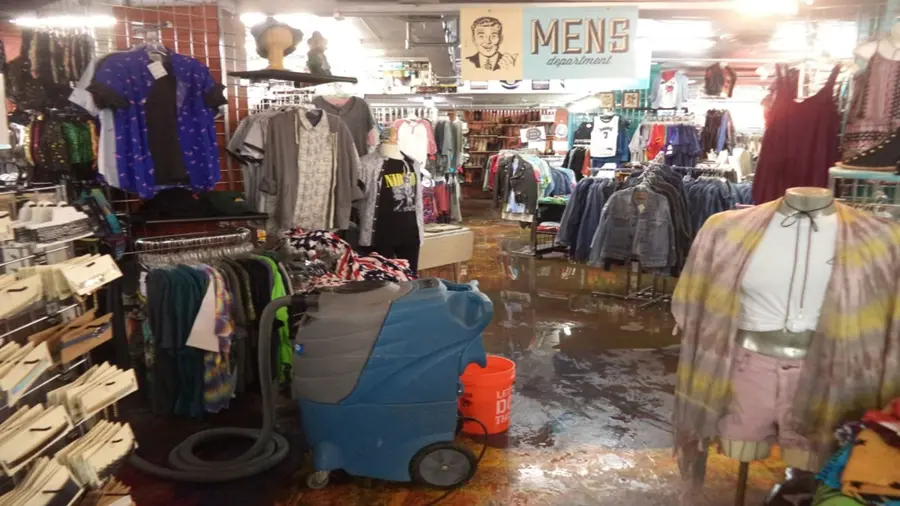
These situations should be treated as emergencies. Sewage backups can spread contamination quickly and cause damage to flooring, walls, and personal belongings.
One Call for Plumbing, Biohazard Cleanup, and Restoration
Sewage backups often require more than one service to fully resolve the problem. This may include:
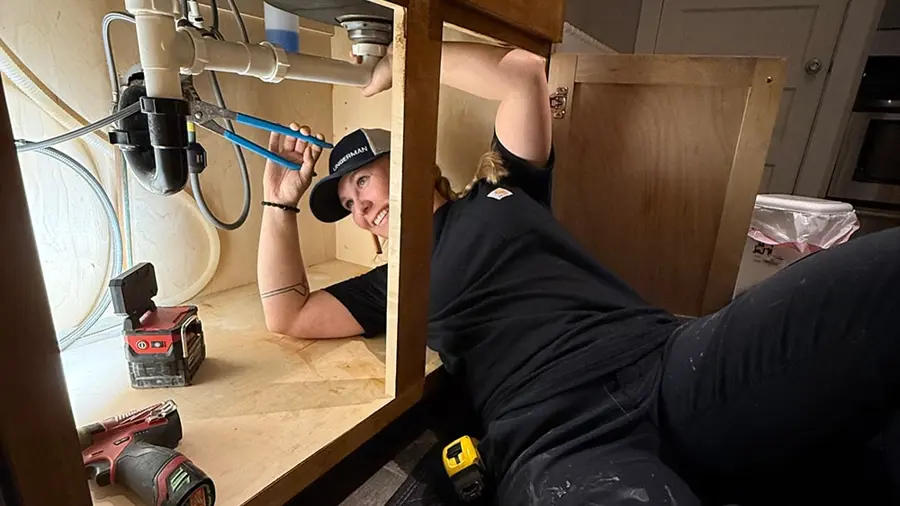
- Emergency plumbing to stop the backup and address pipe issues
- Biohazard cleanup to safely remove contaminated water and materials
- Water damage restoration to dry, repair, and restore affected areas
Ungerman provides all of these services under one roof. This allows for faster response times, clearer communication, and a coordinated approach to restoring your home safely and efficiently.
Protecting Your Home This Winter
Preventative steps like drain cleaning, addressing slow drains early, and preparing plumbing systems for winter can significantly reduce the risk of sewage backups. However, if a backup or contaminated water emergency does occur, professional help is essential.
Having a trusted emergency response team available 24/7 can make all the difference when safety, health, and property protection are on the line.