· Homeownership · 4 min read
How to Conduct a DIY Home Inspection: Catching Problems Before They Escalate

As a homeowner in Minnesota, your property is one of your most significant investments. Regular home inspections are crucial for maintaining your home’s value and preventing small issues from becoming costly disasters. At UNGERMAN, we’ve been helping homeowners protect and restore their properties for over 40 years. While professional inspections are invaluable, there’s a lot you can do on your own to catch problems early. Let’s walk through a comprehensive DIY home inspection process.
1. Exterior Inspection
Foundation
Start at the foundation of your home. Look for:
- Cracks larger than 1/4 inch
- Signs of moisture or water damage
- Bulging or bowing walls
Pro Tip: Use a level to check if your foundation walls are plumb. Any significant deviation could indicate a serious problem.
Roof
Your roof is your home’s first line of defense against the elements. Inspect it for:
- Missing, damaged, or curling shingles
- Signs of sagging
- Debris accumulation in valleys or gutters
Safety First: If you’re not comfortable on a ladder, use binoculars from the ground or consider hiring a professional for this part.
Siding and Trim
Examine your home’s exterior cladding:
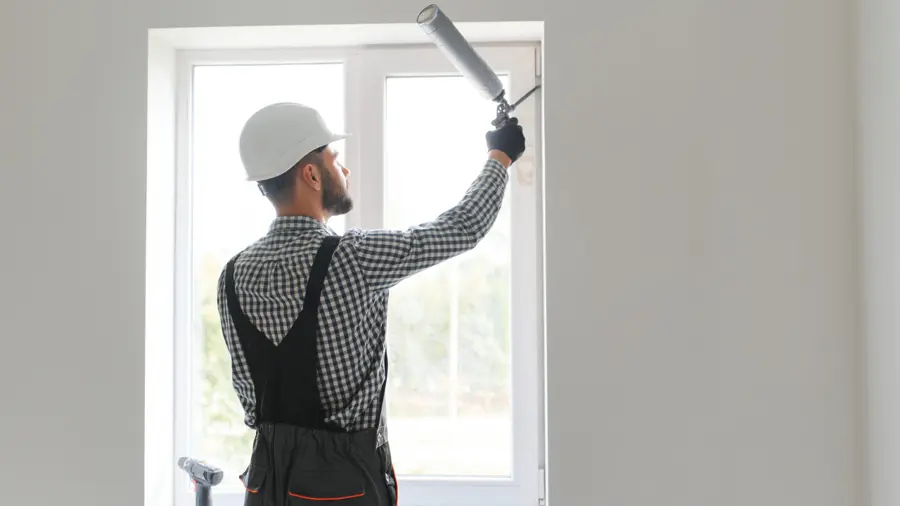
- Look for gaps, cracks, or areas where caulk has failed
- Check for peeling paint or areas of rot
- Ensure there’s proper clearance between siding and the ground
Windows and Doors
Inspect all exterior openings:
- Look for failed seals in double-pane windows
- Check for rotting frames or sills
- Ensure weatherstripping is intact and effective
2. Interior Inspection
Attic
Your attic can reveal a lot about your home’s overall health:
- Check for proper insulation (R-value of at least R-49 for Minnesota homes)
- Look for signs of water intrusion or mold growth
- Ensure proper ventilation to prevent ice dams
Basement or Crawl Space
These areas are prone to moisture issues:
- Look for signs of water seepage or standing water
- Check for musty odors that could indicate mold
- Inspect exposed framing for signs of pest infestation
Plumbing
Even small leaks can lead to big problems:
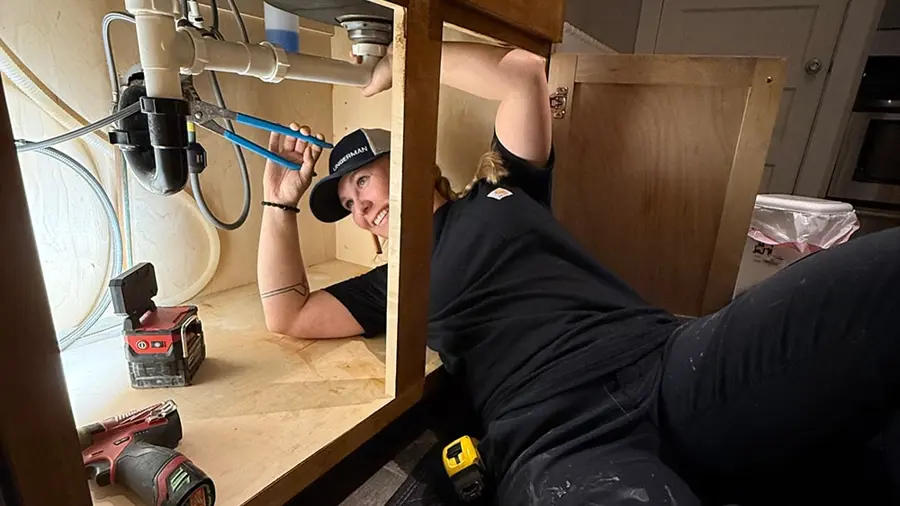
- Check under sinks and around toilets for signs of leaks
- Look for water stains on ceilings or walls
- Test water pressure and drainage in all fixtures
UNGERMAN Insight: Water damage is one of the most common issues we deal with. Catching leaks early can save you thousands in repairs.
Electrical System
Safety should be your top priority:
- Look for exposed wiring or loose outlets
- Check that all GFCI outlets are functioning properly
- Ensure your electrical panel is free of rust and properly labeled
HVAC System
Your heating and cooling systems need regular attention:
- Change filters regularly (every 1-3 months)
- Listen for unusual noises during operation
- Schedule professional maintenance annually
3. Document and Prioritize
As you conduct your inspection:
- Take detailed notes and photos
- Create a prioritized list of needed repairs or improvements
- Keep records of all your inspections and repairs
4. Know When to Call a Professional
While DIY inspections are valuable, some issues require expert attention. Don’t hesitate to call a professional if you:
- Suspect structural issues
- Find extensive water damage or mold
- Encounter electrical or plumbing problems beyond your expertise
At UNGERMAN, we’ve seen how small problems can escalate into major headaches. Our team of restoration experts is always ready to help assess and address any issues you find during your DIY inspection.
5. Seasonal Considerations for Minnesota Homes
Living in Minnesota means our homes face unique challenges throughout the year:
Spring
- Check for ice dam damage after winter
- Inspect gutters and downspouts for proper drainage
- Look for frost heave damage to walkways and driveways
Summer
- Check your AC system’s efficiency
- Inspect decks and patios for wear
- Look for signs of pest infestations
Fall
- Prepare your home for winter (insulate pipes, clean gutters)
- Check your heating system
- Inspect your roof before winter storms hit
Winter
- Monitor for ice dams
- Check for drafts around windows and doors
- Keep an eye on your roof’s snow load
Regular DIY home inspections are a crucial part of homeownership. They help you catch small problems before they become major issues, saving you time, money, and stress in the long run. Remember, while this guide provides a comprehensive overview, it’s not exhaustive. Every home is unique, and you know yours best.
At UNGERMAN, we’re committed to helping Minnesota homeowners protect and maintain their properties. If you ever feel overwhelmed or encounter a problem you’re not sure how to handle, don’t hesitate to reach out. Our team of restoration experts is always here to help, whether you need advice, a professional inspection, or full-scale restoration services.
Stay proactive, stay informed, and keep your home in top condition. After all, your home isn’t just a house – it’s where your family’s stories unfold. Let’s work together to keep it safe, comfortable, and valuable for years to come.