· Remodel & Restoration · 2 min read
Ice Dam Repair Explained by HGTV and Ungerman in Minnetonka
A Real-World Example from Television
During an HGTV episode featuring Ungerman’s owners, Ron, Lindsey, and Kirsten, a Minnetonka home experienced severe roof leaks caused by hidden ice dams. The episode illustrates exactly what our team encounters every winter across the Twin Cities.
View this post on Instagram
How Ice Dams Form
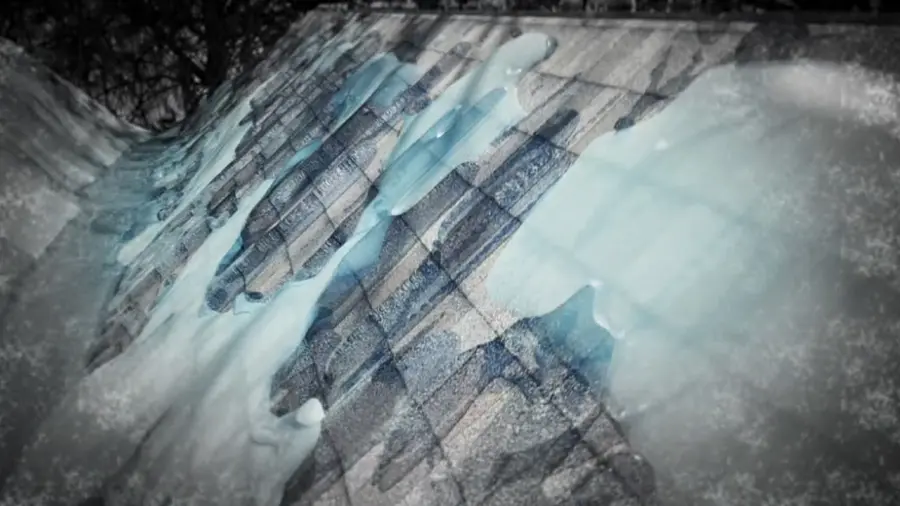
Ice dams form when snow on a warm roof melts and refreezes along the colder roof edge. Over time, the ice traps meltwater and pushes it under shingles.
What Happens Next
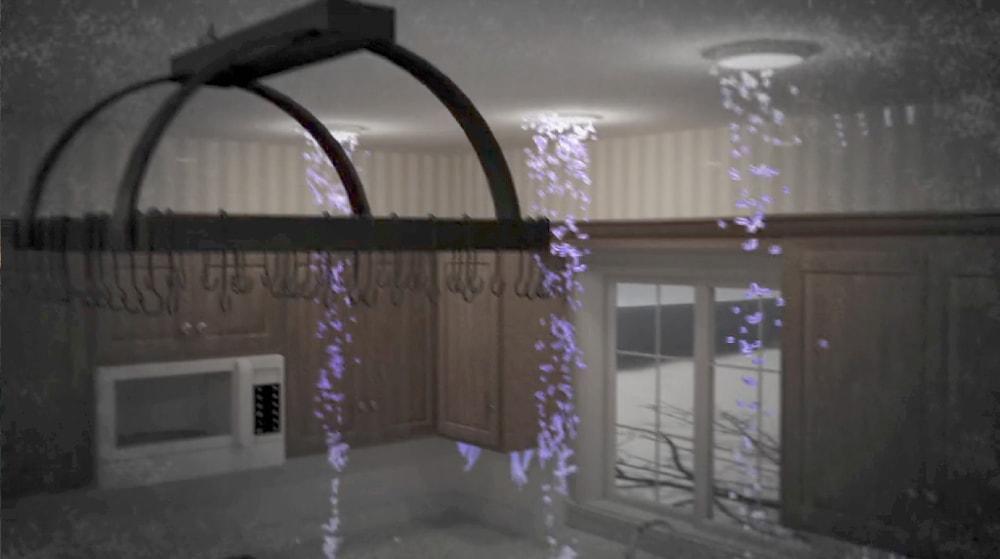
As seen on HGTV, the trapped water eventually seeps through insulation and drywall, flooding lighting fixtures and hardwood floors below.
How Ungerman Responds
Ungerman’s restoration process covers every stage of ice dam damage repair:
- Assessment – Identify affected areas and remove any saturated materials.
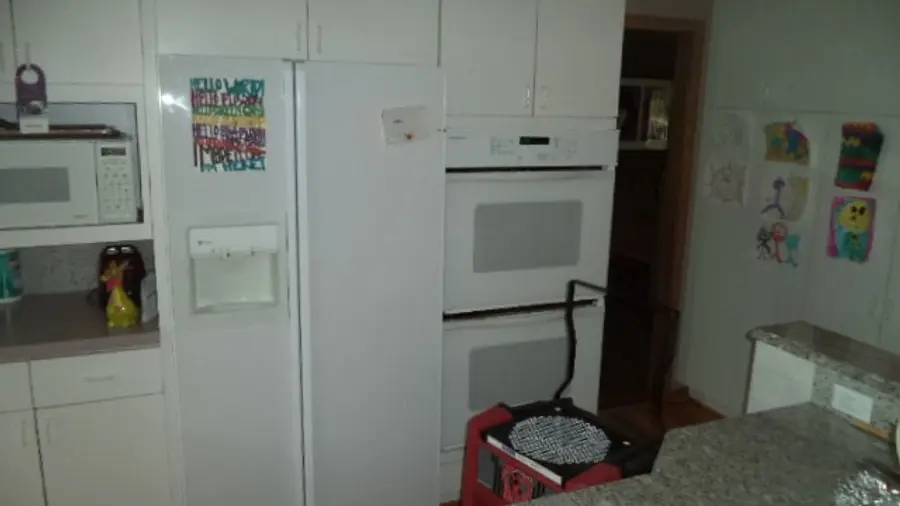
- Drying – Deploy commercial-grade dehumidifiers and fans.
- Restoration – Replace drywall, insulation, flooring, and lighting.
- Prevention – Improve attic ventilation and insulation.
We’ve seen these situations countless times, and our crews are equipped to restore homes quickly and safely. 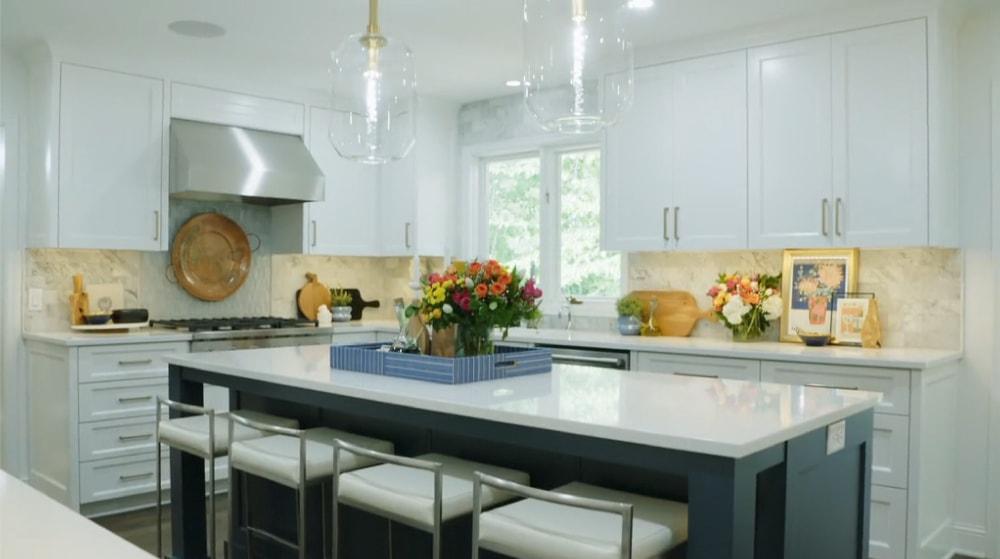
VIEW ALL PHOTOS FROM THIS PROJECT
Why It Matters for Minnetonka Homeowners
Minnetonka’s combination of lake humidity and sub-zero temperatures makes roofs highly susceptible to ice dams. A quick response prevents minor leaks from turning into costly reconstruction.
Prevention Tips for Homeowners
- Keep attic insulation even and sufficient.
- Seal gaps around exhaust vents, lights, and attic hatches.
- Ensure proper ventilation at eaves and ridges.
- Remove snow build-up safely after large storms.
- Schedule professional roof inspections each winter.
Homeowner Checklist
Inspect your roof after major snowfalls: Look for icicles along the roofline or gutters — they often indicate trapped meltwater.
Clear snow safely: Use a roof rake to remove snow from edges before it refreezes.
Improve attic insulation: Uneven heat loss causes warm spots where snow melts prematurely.
Check ventilation: Proper airflow from soffit to ridge helps maintain an even roof temperature.
Seal air leaks: Close gaps around vents, lights, and chimneys that let warm air escape.