· Emergency Response & Continuity Plan · 5 min read
Water Damage Repair and What to Do in the First 24 Hours
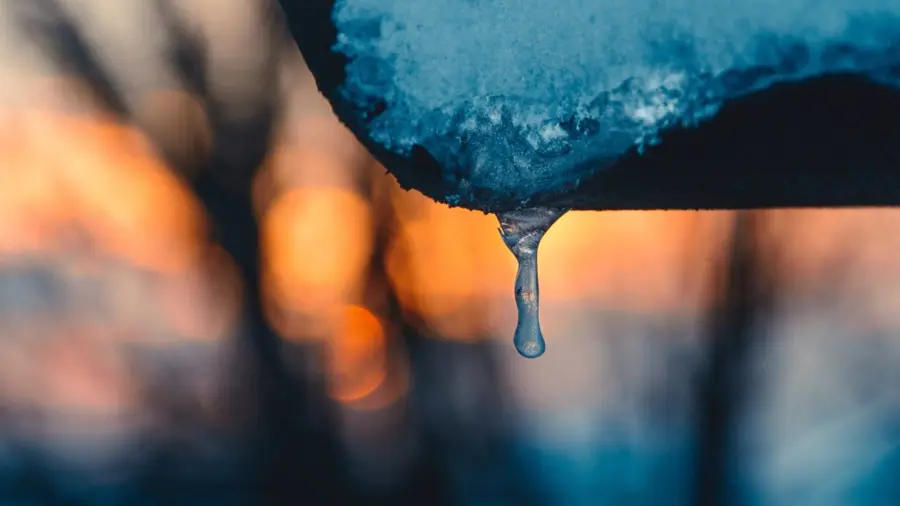
Water damage can happen quickly and without warning. Appliance leaks, frozen or broken pipes, roof leaks, sewer backups, storm and flood water, ice and snow buildup, or even water used by the fire department can all cause serious damage in a short amount of time. No matter the source, the first 24 hours are critical. Taking the right steps early can reduce repair costs, prevent mold growth, and protect the structure of your home.
At Ungerman, we have helped Minnesota homeowners recover from water damage for over 45 years. Below is a clear guide on what to do right away and when professional help is necessary.
The First 24 Hours After Water Damage
1. Stop the Water Source
If it is safe, stop the water at its source immediately. Shut off the main water supply for plumbing or appliance-related issues. If the damage is caused by weather or roof leaks, focus on containing the water and minimizing spread until repairs can begin.
If the situation is unsafe or unclear, do not attempt repairs yourself.
2. Address Electrical Safety
Water and electricity are a dangerous combination. If water has reached outlets, appliances, or electrical panels, turn off power to affected areas. Avoid walking through standing water if electrical hazards may be present.
3. Remove Standing Water as Soon as Possible
Standing water continues to soak into flooring, walls, and structural materials the longer it sits. Quick removal is essential.
For small amounts of water, homeowners may use:
- Wet or dry vacuums
- Mops and towels
- Buckets
For larger areas, professional extraction equipment is typically required to prevent deeper damage.
4. Protect Furniture and Belongings
Move furniture, rugs, and personal items out of affected areas if possible. Place wood blocks or foil under furniture legs to prevent staining and swelling. Avoid dragging wet items across floors.
5. Begin Drying and Ventilation
Increase airflow by opening windows when weather allows. Use fans and dehumidifiers to reduce moisture levels. Keep in mind that visible drying does not mean materials beneath the surface are fully dry.
Hidden moisture is one of the leading causes of mold and long-term damage.
Common Types of Water Damage in Homes
Not all water damage is the same. Understanding the type of water damage affecting your home helps determine the urgency, cleanup approach, and whether professional remediation is needed. Below are some of the most common types of water damage homeowners face.
Clean Water Damage
Clean water damage typically comes from sources like broken supply lines, overflowing sinks or tubs, and appliance failures. While this type of water starts out clean, it can quickly become contaminated if not addressed promptly.
Gray Water Damage
Gray water damage comes from sources such as washing machines, dishwashers, and toilet overflows that contain contaminants. This type of water damage requires careful handling and often professional remediation to protect health and safety.
Black Water Damage
Black water damage is the most serious and hazardous. It comes from sewage backups, flooding, or water that has been standing for an extended period. Professional water damage repair is always required in these situations.
Learn more about the different types of water damage and how they are professionally handled on our detailed resource page: Types of Water Damage
DIY Water Cleanup vs Professional Water Remediation
Not all water damage situations are the same. Some minor issues may be manageable in the short term, while others require immediate professional intervention.
When DIY Water Cleanup May Be Appropriate
DIY cleanup may be reasonable when:
- The water source is clean
- The affected area is small
- Water exposure was brief
- No water entered walls, insulation, or subflooring
Even in these cases, moisture can remain trapped in materials and should be monitored closely.
Appliance Failure Example: Toilet Overflow Cleanup
Appliance failures are one of the most common causes of sudden water damage. This can include washing machines, dishwashers, water heaters, and toilets.
The video below shows basic steps a homeowner might take when dealing with an overflowing toilet. These actions can help reduce surface water in minor situations. However, toilet overflows often allow water to spread quickly into flooring, baseboards, and nearby rooms. Professional water remediation is frequently needed to fully dry affected materials, prevent mold growth, and avoid long-term damage.
A short video that demonstrates what to do when water is overflowing from your toilet.
When Professional Water Remediation Is Necessary
Professional water remediation is recommended when:
- Water damage affects walls, ceilings, or flooring
- There is basement flooding or widespread saturation
- The source of water is ongoing or unknown
- Contaminated water is involved
- Mold growth is a concern
- An insurance claim may be required
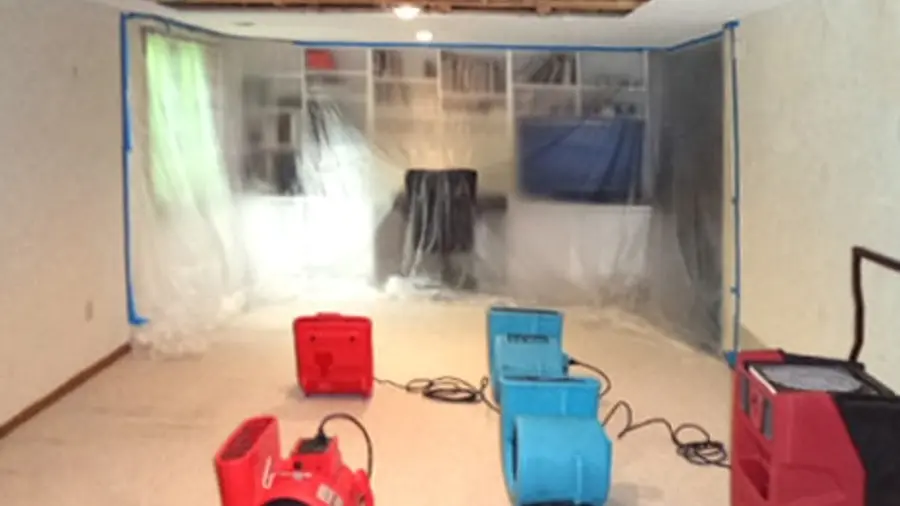
Professional teams use moisture detection tools, industrial-grade drying equipment, and proven restoration methods to ensure your home is properly repaired.
Why Fast Water Damage Repair Matters
Delaying water damage repair can lead to:
- Mold growth within 24 to 48 hours
- Warped floors and damaged drywall
- Compromised insulation
- Higher repair costs
- Poor indoor air quality
Taking action quickly protects both your home and your health.
Trusted Water Damage Repair in Minnesota
Ungerman provides emergency water damage repair and restoration services throughout Minnesota. Our experienced team responds quickly, documents damage thoroughly, and works with insurance providers when needed.
If your home has experienced water damage, do not wait. The sooner professional restoration begins, the better the outcome.
Contact Ungerman for dependable water damage repair and restoration support you can trust.