· Cleaning Services · 4 min read
Why Your Smoke Detectors Are Going Off When There’s No Smoke!
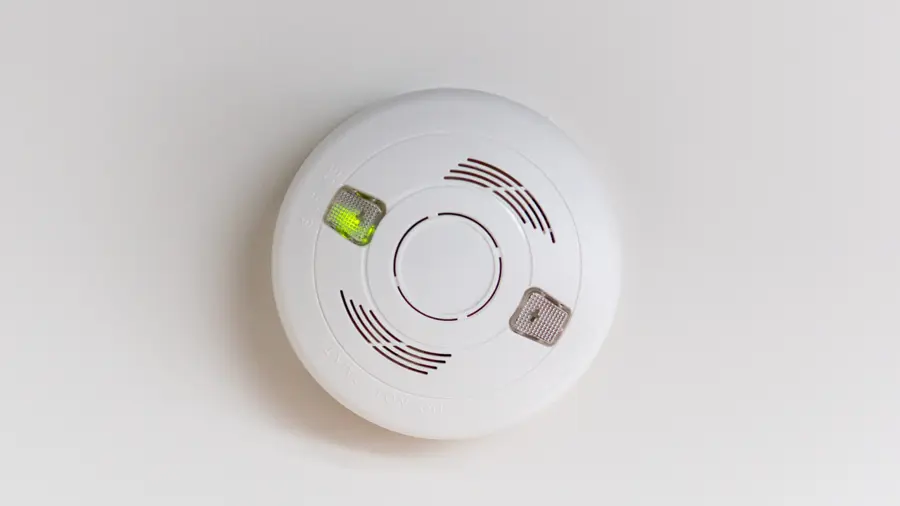
Smoke detectors are one of the most important safety devices in your home. They’re designed to warn you at the very first sign of danger, but what happens when your smoke alarm goes off and there’s no smoke? False alarms can be frustrating, especially if you’re jolted awake in the middle of the night or struggling to reach a high ceiling unit.
At Ungerman, we’ve seen this issue many times in homes we restore and repair after fire or smoke damage. Our expert Chris shares some of the most common causes of false alarms, and how you can prevent them.
1. Dust and Construction Work
One of the biggest culprits is dust. If you’ve been sanding drywall, refinishing furniture, or doing any type of remodeling, tiny particles can float through the air and settle inside your smoke detector. Once inside, they can mimic smoke and trigger the alarm.
Pro Tip: If you’re doing dusty work near a detector, cover it with a plastic “boot” or clear cellophane wrap. Just remember to remove it when the project is finished! If remodeling dust has caused real damage to your home, our Specialized Cleanup Services can help restore it quickly.
2. Steam and Humidity
Did your alarm go off right after someone took a hot shower? That’s not unusual. Steam from showers or cooking can trick smoke detectors into thinking smoke is present, especially if the detector is installed near a bathroom or kitchen.
What to do:
- Always run the bathroom vent fan during and after showers to move steam out.
- If you don’t have a fan, crack a window open to let the humidity escape.
- Use ventilation fans while showering or cooking.
- Keep bathroom doors closed when creating lots of steam.
- Avoid installing detectors too close to kitchens or bathrooms when possible.
3. Low or Failing Batteries
Most smoke detectors are hard-wired into your home but also have a 9-volt battery backup. As the battery ages, it may cause faulty signals and random alarms.
- Three loud beeps = smoke warning.
- Four beeps = carbon monoxide (CO) warning.
- Occasional chirp = low battery or end-of-life alert (usually after 10 years).
If your alarm is chirping or going off inconsistently, check and replace the battery first.
4. Kitchen Smoke or Oven Use
Sometimes it’s not a false alarm at all, just everyday cooking. A smoky oven, burnt toast, or even running your range hood exhaust can cause enough disturbance to trip your smoke alarm.
What to do:
- Keep kitchen detectors at least 10 feet away from cooking appliances.
- Always use your range hood fan when cooking or baking.
5. Bugs Inside the Detector
It may sound strange, but even tiny insects can crawl into smoke detectors and cause disruptions. If your alarm seems to go off randomly and you can’t find another reason, this could be the cause.
6. A Bad Device
At the end of the day, smoke detectors are inexpensive devices with a limited lifespan. Most need to be replaced every 8–10 years. If yours continues to give false alarms after cleaning, battery replacement, and troubleshooting, it’s likely time to buy a new one.
What To Do If You Can’t Find the Cause
If your alarm keeps going off and you can’t pinpoint the problem, don’t ignore it. While false alarms are common, smoke and CO are serious hazards. If in doubt, replace the unit—it’s a small investment compared to the safety of your home and family.
False alarms may be a nuisance, but smoke detectors save lives.
By keeping them clean, replacing batteries regularly, and understanding what those different beeps mean, you’ll be better prepared to tell the difference between a real emergency and a harmless trigger.
And if your home ever suffers from fire, smoke, or water damage, Ungerman’s restoration experts are here to help. We’ve been restoring homes and businesses in Minnesota for decades, and we know how important safety and peace of mind are to families.
Contact Ungerman today for expert fire and smoke damage restoration services.